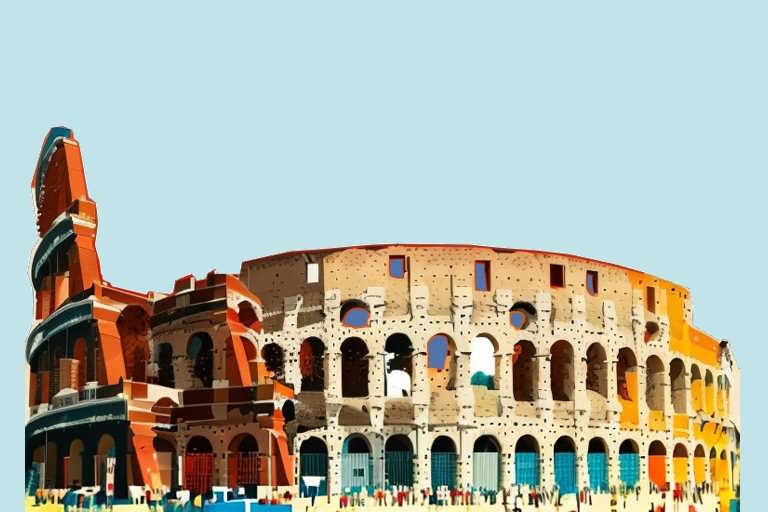
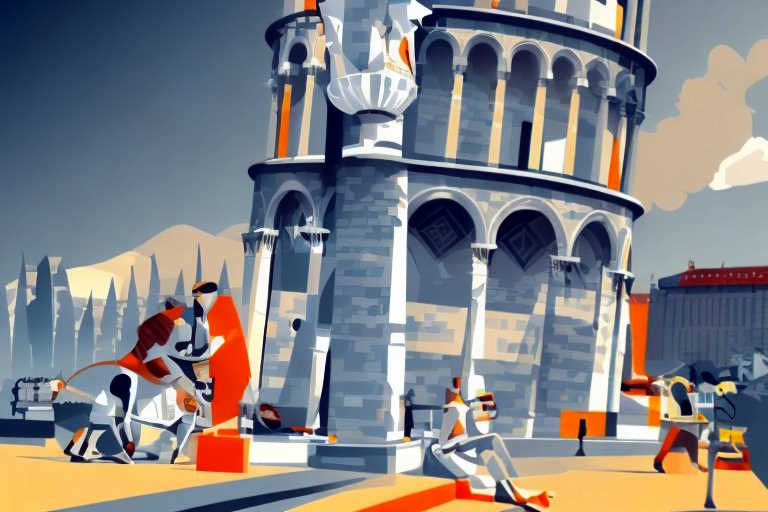
Explore Italy with our extensive selection of multi-day tours and daily excursions to every corner of the “Bel Paese”. City breaks and guided tours in Rome, Florence, Pisa, Venice, Milan, Naples, and other amazing destinations. From art in the most beautiful cities to gastronomic experiences throughout the country, your unforgettable experience begins here! Our formula: experts of the territory, an all-Italian team, instant confirmation, 24/7 assistance, customized trips
For standard or unusual destinations throughout Italy
Theme Tours, Custom Vacations for standard or unusual destinations throughout Italy. Your travel consultants will help you to transform a trip opportunity into a memorable stay!
Experience a breathtaking journey through the Italian regions, where you will explore the rich culture of dairy farms, indulge in the finest wine and revel in award-winning wineries, while immersing all five senses
At the discovery of art, history and religion of the smallest state in the world: St. Peter basilica, Michelangelo’s dome, the Vatican Museums, Sistine Chapel…
Create Your Own Italian Travel Experience with Argiletum Tour, Rome and Italy Tours Specialist
All of our Tours and Tour packages in Italy are custom-designed by our own in-house team of experienced professionals. We develop and personalise our programs so that they reflect and cater for every client’s needs and desires
We use cookies on our website to give you the most relevant experience by remembering your preferences and repeat visits. By clicking “Accept”, you consent to the use of ALL the cookies.
This website uses cookies to improve your experience while you navigate through the website. Out of these, the cookies that are categorized as necessary are stored on your browser as they are essential for the working of basic functionalities of the website. We also use third-party cookies that help us analyze and understand how you use this website. These cookies will be stored in your browser only with your consent. You also have the option to opt-out of these cookies. But opting out of some of these cookies may affect your browsing experience.